
Where
teams
navigate
what’s next.
High-stakes facilitation + advisory grounded in learning, collaboration & culture
Why leaders trust our approach:
DAY|WON creates strategic, on-brand learning & collaboration experiences shaped by your team’s unique culture. That’s why our work feels different.

At the center is our 3-part model: The Signature Brew.
📊 Strategic Alignment: grounded in your business priorities
🎨 Brand Fit: true to your voice, visuals & values
💬 Human Connection: personal, relevant & real for your team
Where these overlap, sessions feel natural — sparking alignment, collaboration, & belonging that lasts. From a team reset workshop to designing culture-steeped onboarding, it’s all designed to fit your culture.
☕ If your team dynamic feels off, maybe it's time for a different brew.



Sensorberg

US Soccer Federation
Anchoring teams to what matters most:
Teams navigating growth and change need more than generic solutions.
When teams co-create decisions together, achieve real alignment, and stay grounded in culture, performance follows.
23%
of teams achieve real alignment — most only think they're aligned, and the gap costs performance.
(Harvard Business Review, 2023)
87%
better decisions when teams bring diverse perspectives together to co-create solutions.
(Cloverpop, 2017)
30%
increase in performance when organizations align culture with brand values and business strategy.
(Deloitte, 2021)
what this looks like:
Open each story below to explore what’s possible when teams make space to pause, realign & move forward together.
-
The Challenge:
A 30-person startup began 2025 with broken trust. A perceived lack of transparency + an inconsistently applied return-to-office mandate hurt morale, with 65% of the team reporting a negative outlook for the year ahead.The Process:
We designed a full-day session that shifted blame to ownership —everyone could step up to own something. Leadership made public commitments with timelines while the team co-created solutions.Real-time sentiment tracking measured how perspectives shifted throughout the day.
The Results:
Team outlook flipped from 65% negative to 79% positive for 2026.
The workshop produced 10 leadership commitments with specific owners & dates
2 CEO-sponsored cross-functional projects (each with team members, not just leaders, owning project manager & deputy roles)
20 individual team solutions.
One concentrated day saved months of meetings & inaction. The engagement led to exploring both ongoing consulting and embedded partnership work in 2026.
The Impact:
Leaders made public commitments.
Team members stepped up to own projects, not just observe them.
Everyone submitted ideas, voted on solutions, and contributed in small groups where all voices came through (human).
We paired teams strategically and designed materials with their branding tied to their 5 core values (strategic + on-brand).
Most people walked in skeptical. By the end, they left feeling heard, valued, and genuinely optimistic about 2026.
-
The Challenge:
A global sports authority wanted to launch a collaboration platform for hundreds of professionals worldwide.The project owner and software owner had predetermined the technical solution before the workshop. The risk: building something the membership wouldn't use.
The Process:
I facilitated a two-day sprint with senior international experts, key stakeholders, and community members.When Day 1 interviews revealed gaps between the predetermined solution and member needs, the project team began to lose faith. I held the container while we redirected the design to match community input, then shifted strategy from "build and launch" to "validate first, then justify a pilot."
The Results:
Both community participants independently described the same three member types the team had sketched, confirming real patterns.
The sessions validated six core prototype choices, community principles, a complete engagement system, and a pilot plan for 15-20 members over 3-6 months.
Two days compressed months of potential meetings and back-and-forth.
The shift to "validate first" saved thousands of euros in wasted spend on a long-term contract, but also the harder cost: credibility and trust lost with target customers when you have to bring everyone back to redesign what missed the mark.
By involving community members and experts from the start, they built credibility while creating something people would want to use.
The Impact:
International experts and community members worked across different comfort levels - some presented boldly, others quietly, everyone shaped the final design (human).
When the predetermined solution started to fracture trust, we redirected to community input and shifted to "validate first" (strategic).
This organization wants to model inclusive expertise, not alpha-male sport culture. We built that into the process: diverse voices, collaborative exercises, community members co-creating with experts (on-brand).
The project team left with deeper camaraderie and collective pride. Several said they never would have imagined we'd get here - from initial intros to tested prototypes in less than 36 hours.
The organization is moving forward with a pilot launch in early 2026, and I’ll be supporting their rollout.
-
The Challenge:
A European e-commerce platform's people data surfaced critical risks headed into peak season. Teams were struggling under pressure, and wellbeing metrics flagged concerns about psychological safety.Leadership's initial instinct? Goal-setting & prioritization skill-building + energy management workshops for managers.
The Process:
I designed a full-day "Balancing What Matters" workshop grounded in building team psychological safety via four skill modules. Leaders practiced co-creating and rolling out team strategies, built prioritization frameworks, and practiced navigating trade-offs for when plans go awry.Sessions included workbooks, AI-powered simulations, and three micro follow-ups over six weeks with optional one-on-one mentorship.
The Results:
Leaders rated the workshop 4.7/5 with perfect NPS of 100.
Skill confidence surged +0.76 points (on a 5-point scale) immediately post-session across all eight competencies.
Leaders predicted a net gain of +0.63 six months out, even after accounting for a natural -0.13 dip they expected during application.
That predicted dip revealed the bigger problem: they expected organizational culture wouldn't support new behaviors.
This wasn't a capability gap. Leaders lacked transparency on decision-making authority, unclear escalation thresholds, and no shared understanding of "who decides what" across levels.
I recommended two interventions: train-the-trainer to cascade prioritization & communication skills to teams + a layered decision-making program for senior leadership to build transparency around decision frameworks and authority from the top down.
I declined ongoing skill training. The data showed leaders needed systemic clarity, not more workshops.
The Impact:
Pre-development, we partnered with leaders + major project managers to define what a win would look like for them and their teams. Leaders practiced real scenarios with workbooks, AI simulations, and optional mentorship (human).
The workshop revealed systemic clarity gaps, not just skill gaps. We diagnosed what training could and couldn't solve (strategic).
We tied every behavior and skill back to this department's specific values + psychological safety. Beyond skills acquired, they were learning to lead in a way that honored the team culture they wanted to build (on-brand).
Leaders left upskilled & relieved. They stopped asking "what's wrong with us" and started asking "what needs to change above + below us — and how can we support those changes."

Hear from leaders at global brands & fast-growing teams on the impact of our work.
-
![Black and white portrait of a man in a light-colored suit and open-collared shirt, sitting with a neutral expression.]()
“Dwayne organized a workshop for my team, which spanned three different hierarchy levels.
Dwayne has an exceptional ability to read the room, guide discussions effectively and lead us toward actionable solutions.The workshop has sustainably improved collaboration within our team.”
Jan Schmitz
Head of Marketing Operations
Zalando Marketing Services
Zalando -
![Black and white photo of a smiling woman in a car.]()
“Whether the goal is fostering leadership cohesion or building trust within a team, Dwayne strikes the perfect balance between professionalism and creating a fun, engaging environment.
I highly recommend Dwayne for any leadership workshop or intervention.”
Nisha Bangia
Lead People Business Partner
Talent Management
Zalando -
![Smiling man in a white t-shirt]()
“Dwayne brings professionalism, energy, and humor, inspiring teams and fostering open discussions.
His workshops are engaging, structured and people-focused.
None compare to Dwayne and DAY|WON. His ability to deliver precisely what’s needed, when it’s needed, is remarkable.”
Elliot McFarlane
Vice President Global Retail Design
& In-Store Consumer Experience
Adidas -
![Black and white portrait of a man with short hair, glasses, and a slight smile, wearing a dark sweater against a dark background.]()
“We really appreciated deep focus on the learning outcomes, openness to experiment, and respect for our point of view.
He saw every experience as an opportunity not just for learning but also to experience the brand through action.
We couldn’t be more proud of the fruit of our collaboration.”
Farley Thomas
Co-Founder & CEO
Manageable -
![A portrait of a smiling woman with short white hair, wearing a dark sleeveless top and hoop earrings, in a black and white setting.]()
“I felt the depth of Dwayne’s design experience, meaningful details that helped me shape my bigger picture.
His ability to research and synthesize ideas ahead of time accelerated our work while honoring my priorities.
I highly recommend his fabulous mix of dedication, design and desire to serve.”
Susanne Conrad
Former Director of Possibility
Lululemon
Founder, Lightyear Leadership -
![Black and white portrait of a man with short hair and beard, looking at the camera.]()
“Dwayne has a rare ability to translate business intent into learning experiences that resonate across an organization.
He consistently brought clarity and purpose.
His work always felt grounded in personal and company values and the ripple effect continues long after the programs were launched.”
Dimitri Lungo
Senior Lead
Global Retail Training
On -
![Person sitting on a couch, smiling, wearing a white shirt and dark pants]()
“He is analytical, pedagogical and immensely curious and has the ability to make everyone feel seen, heard and understood.
He lights up any given situation — always has a smart and genuine way of seeing opportunities where others see road blocks.”
Johanna Craelius
CEO
Snacka Snyggt AB -
![Black and white close-up portrait of a smiling man with short hair.]()
“Working with Dwayne was transformative for our team. He helped us tackle both the practical and emotional sides of change.
He made everyone — from senior leaders to new team members — feel seen, heard and valued.
I highly recommend Dwayne to any team aiming to navigate change in a way that sincerely honors the humanity of those involved.”
Nick De Jong
Director Brand &
Partner Marketing
Zalando -
![Black and white photo of a woman with a confident expression, wearing a dark shirt. Her hair is pulled back, and she is looking directly at the camera.]()
“Dwayne has a very unique ability to connect and engage individuals.
His meetings are extremely well prepared, he understands the energy in the room and how to utilize it to achieve results.”
Sigrid Brewka-Steeves
VP International Image & Design
Wanzl -
![Black and white portrait of a smiling man wearing a light-colored t-shirt, standing in front of two vertically mounted longboards on a wall.]()
“Dwayne opened my eyes to first investing energy into colleagues and teams, then going on the journey together.
The end result is stronger... and the journey a lot more fun.
Dwayne is a unicorn and anyone would be lucky to work with him.”
Worth Darling
Head of Digital Commerce
Americas DTC
Vans -
![Black and white portrait of a smiling person with long hair against a dark background.]()
“Dwayne contributed fundamental parts of Team Offsites and Leadership workshops.
He was a vital part of creating team spirit and bringing us closer together while physically being apart.”
Claudia Sielleman
Team Lead Sales International & Expansion
Zalando Connected Retail -
![Black and white photo of a man with short hair, smiling, in front of a backdrop with Adidas branding.]()
“Dwayne encourages/pushes you to get out of your comfort zone to build deeper relationships, and to get the job done.
It was incredible to see the amount of progress our team made once we were able to laugh together.”
Mike Brennan
Senior Product Marketer
Callaway Golf






partnership for what’s next:
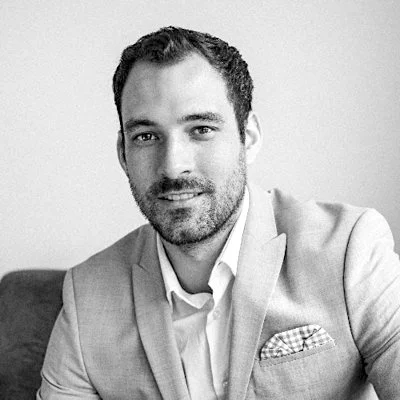
At DAY|WON, I lead every engagement personally, drawing on 15+ years shaping culture & capability at brands like Apple, On, Zalando, Lululemon & Adidas.
I help leaders & teams navigate high-stakes moments — creating clarity + alignment so your people stay engaged and ready for what's next.
high-stakes
alignment
Strategic facilitation
at critical moments:
team culture resets, strategic planning, change transitions, new leader integrations, kickoffs, retrospectives & sprints.

strategic
Advisory
Partnership for leaders navigating culture, organizational complexity, & change. When you need an outside perspective grounded in deep experience.

ongoing
partnership
Embedded support for organizations navigating change & growth.
I partner with your team at key cultural moments & transitions.


"These leaders show us what’s possible when we connect learning to purpose, learner engagement to culture, and people to meaningful progress. In a time of constant change, their work offers a blueprint for creating workplaces where people feel seen, supported, and empowered to perform at their best.”